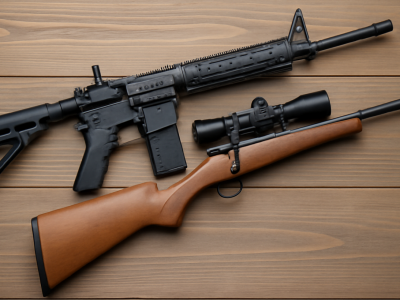
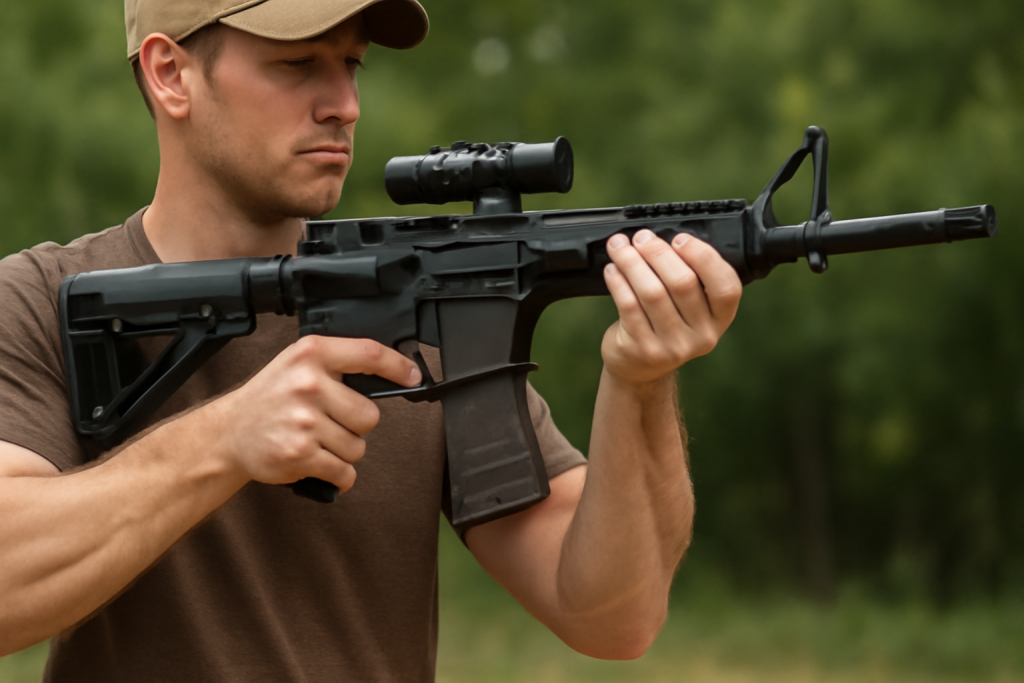
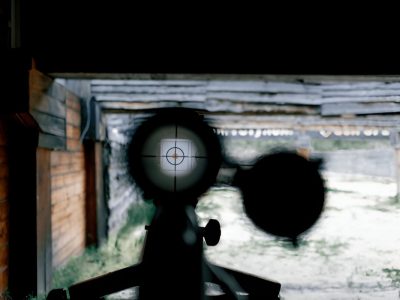
At first glance, carbines and rifles may seem almost identical, but in practice, there are significant design and functional differences between them. These nuances determine the ballistic characteristics of each type of weapon and its intended use. In this article, we’ll take a detailed look at carbines and rifles. We’ll also explain the differences between them and how to choose the best option for your needs.
What is a carbine?
A carbine is a type of rifled firearm that differs from a classic rifle by its shortened barrel, more compact design, and lighter weight. Carbines were originally created as a lightweight and more convenient alternative to long-barreled weapons for situations where mobility, maneuverability, and quick readiness of the weapon are crucial. At the same time, the rifled barrel of a carbine ensures stable bullet flight, controlled ballistics, and sufficient accuracy at short and medium ranges.
In the civilian market, carbines are most often used for:
hunting medium and large game;
sport and practical shooting;
training.
Thanks to its combination of compactness, accuracy, and versatility, the carbine is one of the most popular types of rifled firearms among civilian shooters and hunters.
What is a rifle?
A rifle is a type of rifled firearm whose main feature is a long barrel. Unlike a carbine, a rifle is not focused on compactness, but on maximum shot stability, predictable ballistics, and high accuracy. A longer barrel allows for better utilization of the propellant gas energy, which positively impacts muzzle velocity and effective range. This is why rifles are used in applications where accuracy and shot control are critical, rather than mobility.
Rifles are most often used for:
high-precision target shooting;
long-range hunting;
sniper and specialized shooting tasks.
A rifle is the number one choice for a shooter who prioritizes accuracy, range, and shot stability.
What is the difference between a carbine and a rifle: key differences?
The difference between a carbine and a rifle lies not in the name, but in the approach to shooting and the tasks for which the weapon was designed. Above all, the differences between these types of weapons are noticeable in their dimensions. A carbine is shorter and more compact. This makes it convenient to move and shoot in confined spaces. A rifle, on the other hand, has a long barrel and greater overall length. This isn’t a drawback, but a deliberate compromise in favor of shot stability and ballistics.
Barrel length directly impacts shooting performance. A carbine is effective at short and medium ranges, typically up to 300-400 meters. It acquires targets faster, is easier to control, and allows for quick repositioning. A rifle reveals its potential at significantly greater distances. Thanks to its long barrel, it delivers high muzzle velocity, a predictable trajectory, and accuracy at ranges of 600 meters and beyond.
Weight also plays a significant role. A carbine is lighter, which reduces fatigue during prolonged use and active shooting. A rifle is heavier, but this weight benefits the shooter by dampening recoil. The weapons also differ in the type of ammunition used. Carbines typically use light or medium-range cartridges optimized for shooting at short and medium ranges. Rifles, on the other hand, use more powerful cartridges designed for maximum range, high penetration, and accurate target engagement at long distances.
Based on all of the above, it can be concluded that each type of weapon has its own intended use. A carbine is a versatile tool for woods hunting, practical and tactical shooting, training, and situations where mobility and quick reaction are essential. A rifle is the best solution for long-range shooting, sport shooting, long-range hunting, and tasks where accuracy is paramount over speed.
How to Choose a Weapon for Your Needs
Choosing between a carbine and a rifle should always begin with a clear understanding of your needs. The type of task, conditions of use, and level of training directly influence which weapon is optimal for you.
If you’re just starting out with rifles, it’s best to focus on simplicity and versatility. A small-caliber carbine with a straightforward reloading system will allow you to focus on basic skills (proper stance, trigger pull, and recoil control). A rifle that’s too powerful at first can hinder your learning curve.
When choosing a gun for hunting, everything will depend on the conditions. For forests, rough terrain, and distances up to several hundred meters, a carbine is a more logical choice. It’s lighter, more maneuverable, and more comfortable to carry while actively moving. However, if hunting takes place in open terrain or at longer distances, a full-size rifle is preferable. It has better ballistics and accuracy.
For range training and dynamic shooting, carbines are usually chosen because they are better suited for quick bursts of shots and working at medium ranges. For precision shooting, benchrest, or sniper disciplines, a rifle is better suited due to its stability and long barrel.
If you’re having trouble choosing, consider all-around models. These can be carbines with long barrels or compact rifles that combine accuracy and relative mobility.
We hope this article has helped you understand the key differences between a carbine and a rifle and decide which type of weapon best suits your needs. However, no theory can replace practical experience. Therefore, we invite you to visit our shooting range in Lviv, where you can experience the differences between a carbine and a rifle at the firing line. This will help you make a final, informed choice.
More on this topic
09.12.2025
Tactical Gloves: A Complete Guide to Sizing and Choosing the Right Glove
Tactical gloves are an essential piece of equipment for special forces, law enforcement, military personnel, hunters, shooters, and anyone whose work involves intense physical activity. They protect hands, provide a secure grip, absorb shock, and allow you to work confidently even in difficult or ex
02.12.2025
What are tactical eyepieces and why are stinks needed?
Tactical glasses are an essential piece of protective gear for military personnel, special forces, shooters, hunters, and anyone working in high-risk environments. They are designed to protect the eyes from shrapnel, shell casings, dust, ultraviolet radiation, chemicals, and hazardous mechanical imp
26.11.2025
How to aim correctly at a shooting range
An accurate shot begins not with pulling the trigger, but with proper aim. Everything matters—grip, stance, breathing, and, most importantly, the ability to properly operate the sights. These skills must be constantly practiced. Only then will every bullet fly right to the center of the target.
I
09.12.2025
Tactical Gloves: A Complete Guide to Sizing and Choosing the Right Glove
Tactical gloves are an essential piece of equipment for special forces, law enforcement, military personnel, hunters, shooters, and anyone whose work involves intense physical activity. They protect hands, provide a secure grip, absorb shock, and allow you to work confidently even in difficult or ex
02.12.2025
What are tactical eyepieces and why are stinks needed?
Tactical glasses are an essential piece of protective gear for military personnel, special forces, shooters, hunters, and anyone working in high-risk environments. They are designed to protect the eyes from shrapnel, shell casings, dust, ultraviolet radiation, chemicals, and hazardous mechanical imp
26.11.2025
How to aim correctly at a shooting range
An accurate shot begins not with pulling the trigger, but with proper aim. Everything matters—grip, stance, breathing, and, most importantly, the ability to properly operate the sights. These skills must be constantly practiced. Only then will every bullet fly right to the center of the target.
I