What are tactical eyepieces and why are stinks needed?
11.01.2026Author: Charles Darwin
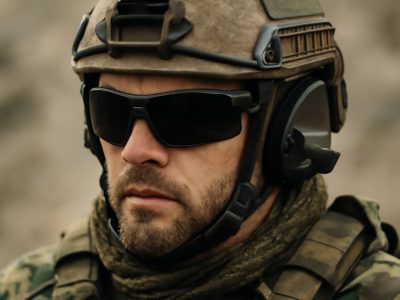
Tactical glasses are an essential piece of protective gear for military personnel, special forces, shooters, hunters, and anyone working in high-risk environments. They are designed to protect the eyes from shrapnel, shell casings, dust, ultraviolet radiation, chemicals, and hazardous mechanical impacts.
In this article, we’ll take a detailed look at what tactical glasses are, what they’re used for, and the different types available. You’ll also learn what features to consider before purchasing such an accessory.
What are tactical glasses and their main functions?
Tactical glasses are specialized personal protective equipment designed for working in high-risk environments. They protect the eyes from ultraviolet radiation, shrapnel, dust, and other external factors that can cause harm. Unlike everyday or sports glasses, tactical glasses are designed to withstand significantly greater stress and provide a consistent level of protection even in the most challenging situations. They are based on impact-resistant polycarbonate lenses. Polycarbonate is a high-tech polymer. It is tens of times stronger than ordinary glass and plastic and can withstand high-speed impacts (metal fragments, shot, shell casings, pebbles, or concrete fragments).
What are they for and what do they protect against?
Tactical glasses are designed to provide maximum eye protection in situations where there is a risk of injury or damage. They perform multiple functions and protect against a wide range of threats:
mechanical particles and debris;
dust, sand, dirt, and debris;
bright light and ultraviolet radiation;
chemicals and aerosols;
air currents and wind.
With such comprehensive protection, tactical glasses significantly reduce the risk of eye injury and provide better visibility in difficult, dangerous, or unpredictable conditions.
Types of Tactical Glasses
Tactical glasses are available in several basic form factors, and each type is designed for specific conditions and threat levels.
Open-type Tactical Glasses
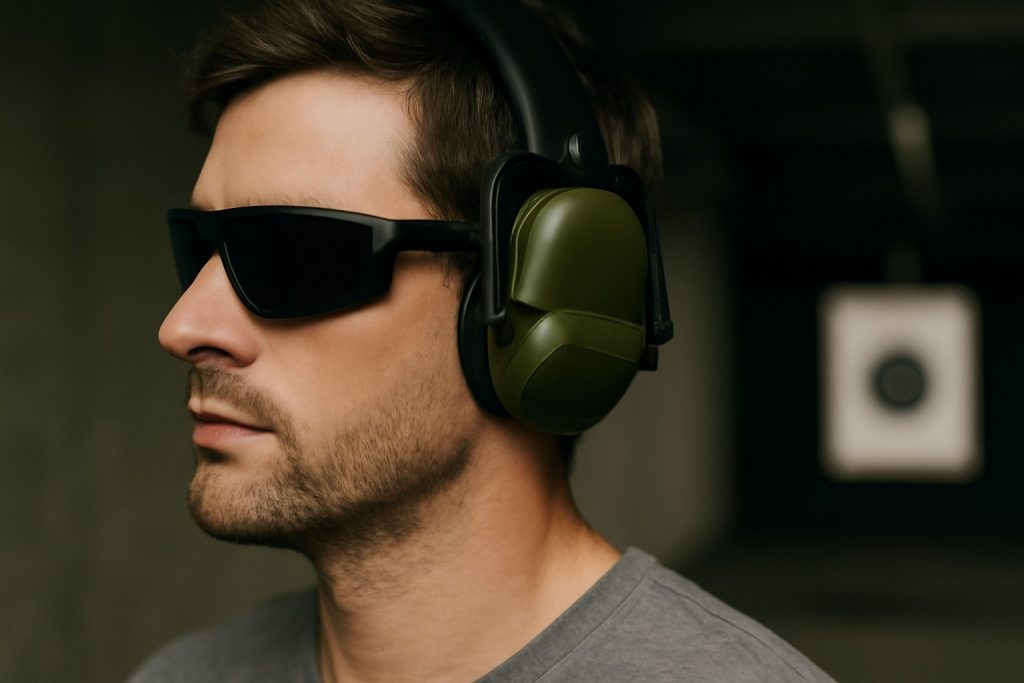
These models look similar to sports glasses or sunglasses, but their lenses are made of impact-resistant polycarbonate. They provide excellent ventilation, a wide field of view, and comfort even during long training sessions. Open tactical goggles are compatible with helmets, earmuffs, and other equipment, making them a popular choice among competitive shooters, hunters, and military personnel. Their main drawback is reduced protection from dust and small particles that can enter from the side.
Closed tactical goggles (masks)
These models completely cover the area around the eyes, creating a sealed protective contour. An elastic band ensures a secure fit and prevents movement during active movement. Closed tactical goggles are often equipped with an anti-fog system or ventilation channels to minimize fogging. These glasses are suitable for tactical operations, airsoft, paintball, rescue operations, and movement in difficult weather conditions.
Ballistic Goggles
This type is designed for scenarios where the risk to the eyes is greatest. But how do ballistic goggles differ from tactical ones? Their lenses are made of thick ballistic polycarbonate (approximately 2-2.4 mm) and tested to military standards:
MIL-PRF-31013;
MIL-PRF-32432;
MIL-DTL-43511D;
MIL-V-43511C;
Ballistic MCEPS GL-PD 10-12;
ANSI Z87.1-2003.
These glasses can withstand high-velocity particle impacts and remain intact. This is professional protection for military personnel, special forces units, and those working in high-risk environments.
Lenses and Light Filters: Purpose and Selection
Lenses are the key element of tactical eyewear. In high-quality models, they are made of impact-resistant materials, among which polycarbonate is the undisputed leader. It has exceptional durability, making it capable of withstanding significant mechanical stress and high-speed particle impacts.
Most modern tactical goggles have lenses with additional coatings that improve their performance:
A protective coating increases the lens’s resistance to scratches and abrasion, extending its lifespan.
Anti-reflective coating reduces glare from the sun, water, or metal surfaces.
Anti-fog coating prevents fogging in high humidity and temperature fluctuations.
A UV filter blocks harmful ultraviolet radiation, thereby protecting the eyes from the negative effects of the sun.
The type of filter, that is, the lens color, is also important:
Metallic lenses have low light transmission and eliminate glare.
Clear lenses are suitable for use in cloudy weather and indoors.
Yellow lenses increase contrast and are used in low-light conditions.
Green lenses allow for better visibility of fine details.
Many tactical models have interchangeable lenses. This allows you to quickly adapt your tactical glasses to weather conditions, time of day, or the specific mission. Some manufacturers also offer accessories with diopter lenses for those with visual impairments.
How to Choose Tactical Glasses: Key Criteria
First, determine why you need tactical glasses. For target shooting or training at a shooting club, open models with good ventilation and a wide field of view are suitable. However, if they will be used during paintball, airsoft, tactical operations, or military operations, it is better to choose closed or shatterproof options.
A mandatory criterion is that tactical glasses comply with international protection standards, specifically EN166, ANSI Z87.1, or the military standard MIL-PRF-31013. These markings confirm that the model has been tested for impact resistance, optical quality, and resistance to mechanical damage.
Frame strength is equally important. Optimal materials include nylon, thermoplastic polymers, or reinforced composites. They are flexible, withstand impacts, and do not deform. This is especially important for military personnel and shooters who often work in dynamic conditions.
Before choosing tactical glasses, pay attention to fit and comfort. The accessory should fit snugly against your face, but not press on the bridge of your nose or interfere with movement. It’s a good idea to choose a model with adjustable temples and soft nose pads. Since everyone’s face shape is unique, it’s worth trying on several options and choosing the one that fits perfectly.
For working in warm or humid conditions, choose glasses with ventilation or an anti-fog coating that prevents the lenses from fogging. This is important, as visibility in tactical conditions is a matter of your safety.
The included accessories will be an added advantage if this is important to you. Your goggles may come with interchangeable lenses for different lighting conditions, a case, a soft cleaning cloth, or a strap.
Care and Proper Use
Proper care of your tactical goggles will help extend their lifespan. Lenses should only be cleaned with a soft microfiber cloth. Avoid any abrasive materials that could scratch. If the lens is heavily soiled, use specialized optics cleaners that do not damage the lens coating and effectively remove dirt. After training or missions, store your goggles in a hard case or a special pouch to prevent mechanical damage.
More on this topic
05.12.2025
License for traumatic weapons in Ukraine: who is allowed to have one and how to obtain it
In Ukraine, it is entirely legal to own certain types of civilian weapons, particularly traumatic weapons. These self-defense weapons are considered non-lethal, but if used improperly, they can also cause serious harm. For this reason, the state strictly regulates the acquisition, storage, and carry
01.12.2025
Delays during shooting: main causes and ways to eliminate them
With proper handling and maintenance, a firearm's components and mechanisms can operate reliably for many years. However, even the most reliable systems are not immune to malfunctions. Delays during firing can occur due to contamination, wear, improper maintenance, or the use of low-quality ammuniti
11.12.2025
Gun safe: how to choose a reliable option and install it correctly
Owning a gun always comes with a heightened sense of responsibility. That's why the state regulates not only the acquisition and use of guns, but also storage conditions. Compliance with these rules is mandatory for every gun owner, as violating them can lead to serious legal consequences. In this a
05.12.2025
License for traumatic weapons in Ukraine: who is allowed to have one and how to obtain it
In Ukraine, it is entirely legal to own certain types of civilian weapons, particularly traumatic weapons. These self-defense weapons are considered non-lethal, but if used improperly, they can also cause serious harm. For this reason, the state strictly regulates the acquisition, storage, and carry
01.12.2025
Delays during shooting: main causes and ways to eliminate them
With proper handling and maintenance, a firearm's components and mechanisms can operate reliably for many years. However, even the most reliable systems are not immune to malfunctions. Delays during firing can occur due to contamination, wear, improper maintenance, or the use of low-quality ammuniti
11.12.2025
Gun safe: how to choose a reliable option and install it correctly
Owning a gun always comes with a heightened sense of responsibility. That's why the state regulates not only the acquisition and use of guns, but also storage conditions. Compliance with these rules is mandatory for every gun owner, as violating them can lead to serious legal consequences. In this a