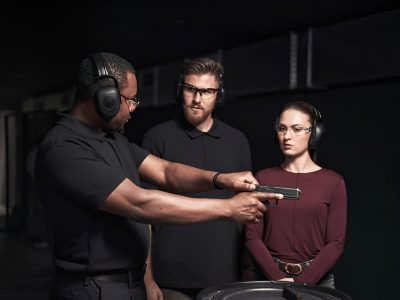
Traumatic weapons: description, characteristics, and types
21.01.2026Author: Charles Darwin
Numatic weapons have long ceased to be a highly specialized weapon for professionals. Today, they are considered one of the most accessible and legal methods of personal self-defense, combining relative safety and reasonable effectiveness.
In this article, we will examine in detail what a non-lethal weapon is, the different types of non-lethal pistols, their advantages, and the practical aspects of their use. Finally, we will discuss the parameters you should consider when choosing a non-lethal weapon to ensure it truly meets your needs and expectations.
What is a non-lethal weapon and what are its advantages?
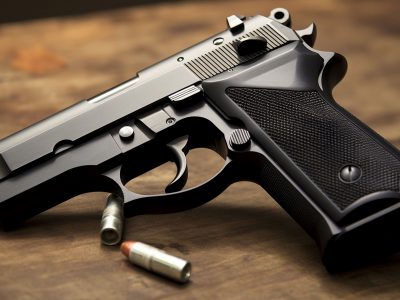
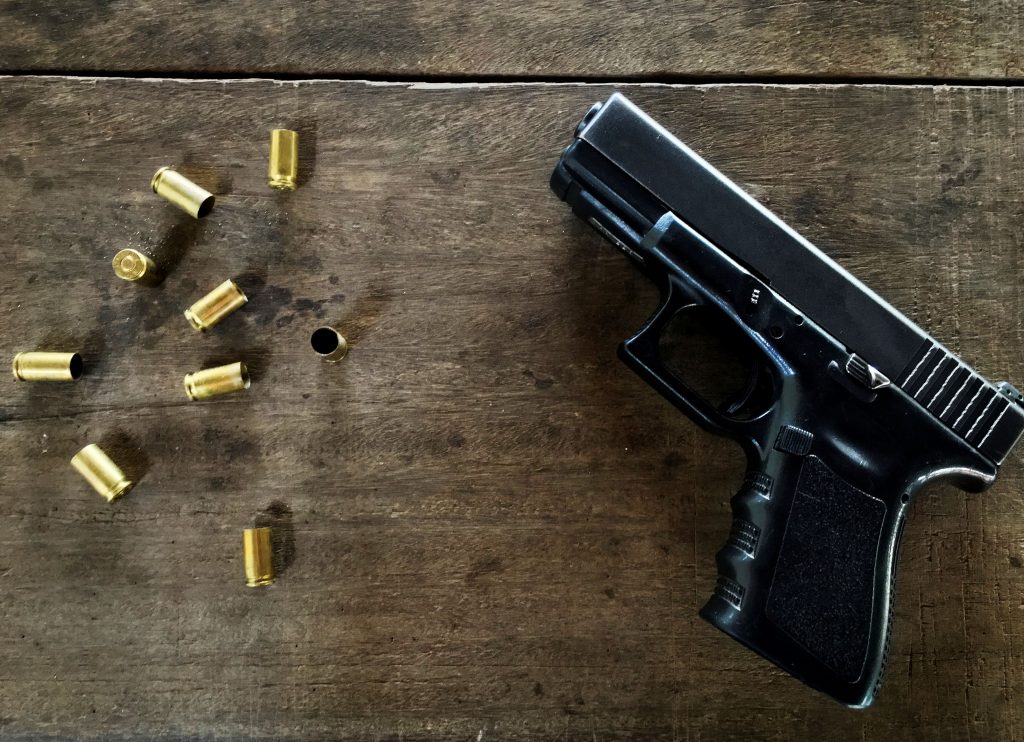
A non-lethal weapon is an informal term for a firearm with limited lethality. It is designed for… Self-defense and the use of non-lethal ammunition (often rubber bullets) or gas/light-and-sound cartridges.
When using traumatic weapons, strict safety regulations are paramount. Specifically, a special permit from the Ministry of Internal Affairs is required for the weapon. Furthermore, the list of adults (21 years and older) permitted to purchase traumatic weapons is limited.
Types of Traumatic Weapons
Traumatic weapon models are classified based on their operating principle:
Gas weapons, which use rubber bullets or metal balls instead of cartridges. The weapon is fired using a compressed gas cylinder. This is a good option for self-defense, but the devices don’t boast high performance and won’t cause much harm to an attacker.
Gunpowder-actuated bullets are a type of traumatic bullet that uses rubber bullets with a steel core as ammunition. They operate by exploding gunpowder in the cartridge’s primer. Powder-actuated traumatic weapons are highly effective and will allow you to fight back in any extreme situation.
Powder-actuated traumatic pistols are the most popular, thanks to their high effectiveness and other advantages, such as their resemblance to combat weapons.
Key Characteristics and Parameters
Main Characteristics of Traumatic Weapons:
Purpose: A self-defense weapon that can temporarily incapacitate an attacker without causing death.
Ammunition Type: Special rubber bullets, some models with a core.
Design: Externally similar to combat weapons, but traumatic pistols have special internal design features that preclude the use of combat weapons. cartridges.
Muzzle energy: no more than 91 J for pistols, and no more than 150 J for long-barreled guns.
Magazine capacity: no more than 17 rounds.
Weight and dimensions: both compact and full-size models are available.
Practical Use of Traumatic Pistols
A traumatic weapon in the hands of a professional is capable of repelling an attacker. However, it has both advantages and specific features. Knowing these parameters will allow you to make an informed choice of a traumatic pistol.
First, about the features. As we’ve already noted, the ammunition in this case is a rubber bullet, which lacks muzzle energy and penetrating power if fired from a distance of more than 3.5 meters. This is because the bullets are round and relatively light. Furthermore, they are fired from a smoothbore (not rifled) barrel. The propellant charge in such cartridges is also small, meaning the effective range of traumatic weapons does not exceed 7-10 meters.
Furthermore, it’s important to know that stopping an attacker even with the first successful shot is unlikely. The device does not have high lethality or stopping power. The effect of a rubber bullet hit from a traumatic weapon is a large and painful hematoma. Therefore, to stop an attacker, several successful hits are needed in a short period of time.
Among the positive characteristics of traumatic weapons:
Minimal lethality. It is extremely difficult to injure, let alone kill, a traumatic weapon when used correctly. It is officially prohibited to fire such weapons at a distance of less than 3.5 meters from the target, or to aim at the head, groin, neck, or chest (if the target is a woman). This is important because, in self-defense, if the attacker is seriously injured (or killed), the victim could end up in the dock and receive a prison sentence.
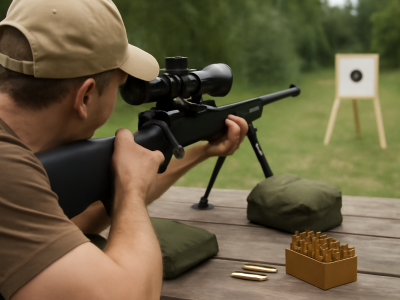
High-quality traumatic pistols are quite effective if shooting skills are honed at a shooting range and the shooter is well-prepared.
Modern traumatic pistols have a large ammunition capacity—up to 17 bullets. There are options for everyday, discreet carry.
Characteristics of traumatic weapons include:
The effectiveness of a rubber bullet is minimal if the attacker is wearing winter clothing. In this case, the owner will have to shoot at the most vulnerable parts of the body, such as the legs.
Some types of pistols and revolvers have an ammunition capacity of 6-7 rounds, which reduces effectiveness due to the specific nature of their use.
Intended for a limited number of people. In particular, a purchase and storage permit may be issued to law enforcement officers, the Security Service of Ukraine (SBU), border guards and representatives of other security agencies, judges, members of parliament, journalists, and certain other categories of citizens.
Weapons of this type can only be used with traumatic cartridges, which, compared to live ammunition, are much weaker. Live ammunition is rated at 300 J, while traumatic cartridges are rated at 50-60 J.
What to look for when choosing
When choosing a traumatic weapon, consider several characteristics:
Caliber — this will determine the lethal effect and firing range.
Rate of fire — a parameter indicating the lethal effect. Traumatic pistols have a good kinetic energy of 50-70 J.
The quality of the ammunition will determine the accuracy of your shots. Good ammunition always costs more.
In addition to the above parameters, pay attention to whether the gun is being purchased for a man or a woman. Any size will suit a man, while a compact revolver is more convenient for a woman. In general, smaller models are less noticeable, have less recoil, and are therefore simpler and safer.
And don’t forget that after purchasing a traumatic weapon, you should learn how to use it skillfully. Without the proper training, using a traumatic weapon is dangerous both for the owner and for those around you. For the necessary training, contact the experienced specialists at the Darwin Club shooting club in Kyiv.
More on this topic
05.12.2025
License for traumatic weapons in Ukraine: who is allowed to have one and how to obtain it
In Ukraine, it is entirely legal to own certain types of civilian weapons, particularly traumatic weapons. These self-defense weapons are considered non-lethal, but if used improperly, they can also cause serious harm. For this reason, the state strictly regulates the acquisition, storage, and carry
21.01.2026
Weapon sighting: basic principles and stages
Shooting accuracy is not only a matter of successfully mastered skill, but the result of properly adjusting the entire shooting system. Even high-quality weapons and ammunition alone do not guarantee consistent hits. This is precisely why zeroing is necessary — it's a mandatory step in preparing a c
25.11.2025
Handling weapons: basic safety and shooting techniques
Using a firearm always carries risk. That's why anyone who picks up a pistol or shotgun must follow simple yet critical rules to avoid endangering themselves and others. This article summarizes the basic principles of firearms safety. These are skills every shooter should master until they become se
05.12.2025
License for traumatic weapons in Ukraine: who is allowed to have one and how to obtain it
In Ukraine, it is entirely legal to own certain types of civilian weapons, particularly traumatic weapons. These self-defense weapons are considered non-lethal, but if used improperly, they can also cause serious harm. For this reason, the state strictly regulates the acquisition, storage, and carry
21.01.2026
Weapon sighting: basic principles and stages
Shooting accuracy is not only a matter of successfully mastered skill, but the result of properly adjusting the entire shooting system. Even high-quality weapons and ammunition alone do not guarantee consistent hits. This is precisely why zeroing is necessary — it's a mandatory step in preparing a c
25.11.2025
Handling weapons: basic safety and shooting techniques
Using a firearm always carries risk. That's why anyone who picks up a pistol or shotgun must follow simple yet critical rules to avoid endangering themselves and others. This article summarizes the basic principles of firearms safety. These are skills every shooter should master until they become se