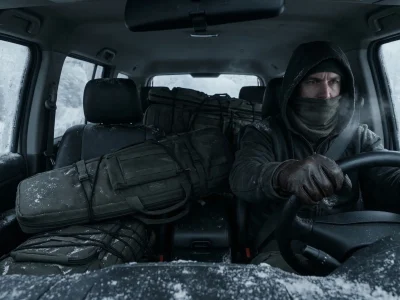
The transportation of weapons by road in Ukraine is regulated by current legislation and requires adherence to clearly defined requirements. There are no trivial details in this matter. Any deviation from established standards may be considered a violation of weapons handling regulations and may entail legal consequences.
In this article, we have compiled the basic rules and practical recommendations for transporting weapons by road. They will help you comply with the law and avoid potential risks.
Legislative Regulation: Order No. 622 and Key Standards
The transportation of weapons by road in Ukraine is regulated by Order No. 622 of the Ministry of Internal Affairs dated August 21, 1998, as well as other applicable laws and regulations. According to these documents, the transportation of firearms, pneumatic weapons, bladed or cooled weapons, and ammunition is permitted only with a valid permit for their acquisition, storage, and carrying, issued by the National Police of Ukraine.
The current instructions stipulate a number of mandatory rules that every weapon owner must observe when transporting them:
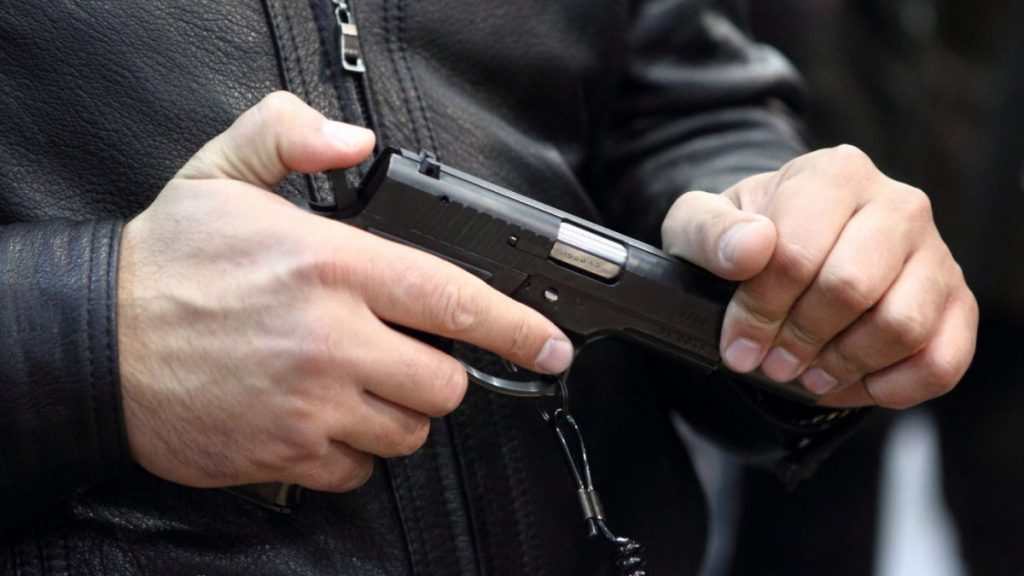
The weapon must be completely unloaded, and the magazine must be removed.
Weapons may only be transported in a case, carrying case, or special container, which prevents the weapon from being quickly armed.
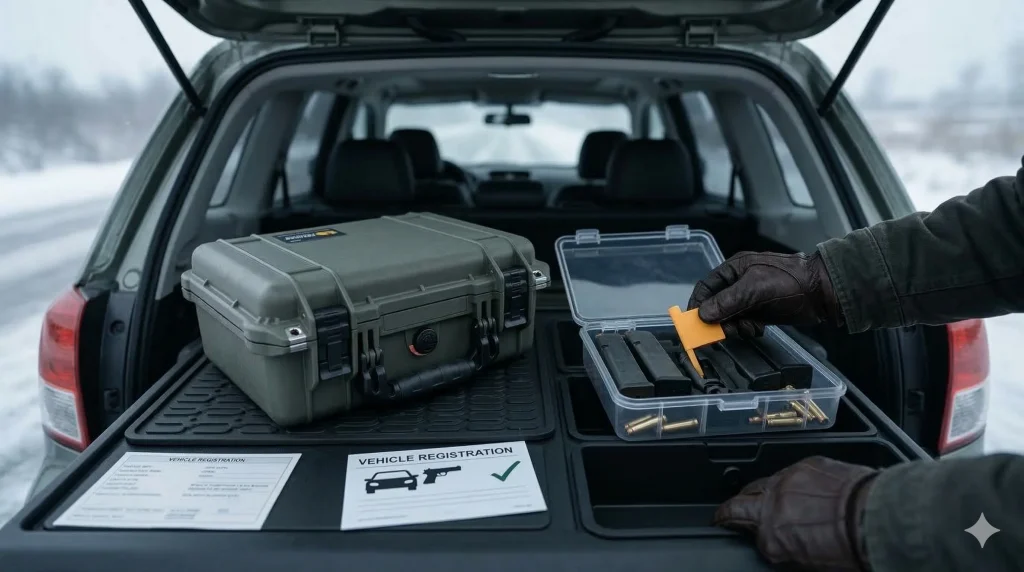
Ammunition must be transported separately from the weapon in packaging, a carrying case, or a case that meets safety requirements.
Additional restrictions apply for certain categories of weapons. We’ll discuss them further.
What documents should a gun owner carry?
According to the law, when transporting a gun, the owner must have a certain set of documents. These include:
A Ukrainian citizen’s passport or other identification document.
A valid permit for the storage and carrying of weapons issued by a unit of the National Police of Ukraine.
A hunting license (if the weapon is being transported for hunting purposes).
A separate permit for transportation (if required for a specific type of weapon or specific situations).
All documents must be valid and presented upon request to law enforcement officers. The absence of even one of them may be grounds for inspection, confiscation of the weapon, or prosecution.
Car Storage Rules: Trunk or Passenger Car
Ukrainian law does not directly require a specific location for storing weapons in a vehicle. Therefore, they are permitted to be transported in both the trunk and passenger compartment, provided that the established rules are followed.
The trunk is considered the safest option, as the weapon is physically separated from the driver and passengers, preventing quick access. In this case, the weapon must be completely unloaded (without a round in the chamber and without a loaded magazine) and placed in a special case, case, or holster. Ammunition is transported separately in packaging or a container.
Transporting weapons in the passenger compartment is also permitted, but only if they are in a special closed case or safe. The glove compartment can be used for short-barreled weapons. Long-barreled weapons should be additionally secured with holders or fasteners to prevent them from shifting while in motion.
Choosing a Cover or Case for Safe Transportation
A cover or case is a must-have accessory for safe weapon transportation. It prevents the weapon from being quickly used and protects it from mechanical damage while in motion. Soft covers are lightweight and comfortable, but offer limited protection. Hard cases offer better protection from impacts, moisture, and dust.
When choosing a cover or case, consider the following:
Internal weapon retention. The case or case should have internal fasteners or padding (foam rubber, foam material) that holds the weapon in place. This prevents it from shifting while in motion.
Presence of locks or latches. For transportation, it is advisable to choose models with secure latches or latches. This limits access to weapons by unauthorized persons and reduces the risk of their unauthorized use.
Size Correct. The case or holster must fit the weapon. One that’s too large won’t hold it properly, while one that’s too small can damage components.
Materials. The outer material should be dense and durable. For hard cases, this is typically plastic or composite materials. For soft cases, durable fabrics with water-resistant properties are recommended.
Separate Compartments for Equipment. It’s convenient when a case or holster has additional pockets or compartments for accessories, such as chokes, sights, etc.
Specifics of Transporting Ammunition and Loaded Magazines
Ukrainian law establishes clear requirements for the transportation of ammunition. As noted above, it must be transported separately from the weapon in special packaging. This could be a separate container, a pouch, or an isolated compartment in a case or safe. The purpose of this requirement is to prevent the weapon from being quickly brought into working order without first loading it. This rule also applies to loaded magazines. They must be detached from the weapon and stored separately.
Differences in Regulations for Hunting and Firearms
Weapons transportation regulations in Ukraine vary depending on the type of weapon. Hunting weapons (smoothbore and rifled) may only be transported with a permit and, as a rule, in connection with a hunting trip, shooting range, or shooting gallery in Lviv.
Traumatic short-barreled weapons designed to fire rubber bullets are permitted for transportation only by certain categories of individuals with special status and the appropriate documents.
Service weapons are regulated by separate departmental regulations. Its transportation is carried out in accordance with special regulations in official vehicles and accompanied by at least two armed individuals or police officers.
Please note that Order No. 622 also applies to pneumatic weapons if their characteristics exceed established limits (caliber over 4.5 mm or bullet velocity over 100 m/s). In this case, the same requirements apply to firearms.
How to behave when stopped by police and subject to inspection
If you are stopped by police while transporting a weapon, it is important to behave calmly and confidently, observing the following rules:
Remain calm and do not make any sudden movements. Any nervous behavior or haste may arouse unnecessary suspicion.
Report the presence of a weapon immediately after being approached by a police officer. This will demonstrate your openness and reduce tension during the test.
Do not touch the weapon without the direct instruction of law enforcement. Even if it is in a case or holster, do not attempt to show it to the person.
Present all documents (permit to keep and carry weapons, identification document, and, if necessary, a hunting license).
Briefly and clearly explain the purpose of the transportation, for example, a trip to the shooting range, hunting, or transporting the weapon to a storage location.
Comply with the lawful requests of police officers and avoid conflict.
If any disputes arise or law enforcement officers decide to confiscate the weapon, you have the right to demand an official explanation stating the reasons. Such police actions may subsequently be appealed in accordance with established legal procedures.
Common Mistakes and Responsibilities for Violating Rules
Most often, problems with transporting weapons arise not from malicious intent, but from carelessness or insufficient knowledge of the rules. Typical mistakes made by owners include:
transporting weapons without the necessary documents or with an expired permit;
transporting a loaded weapon or with a magazine attached;
missing a case, bag, or holster;
placing a weapon in an open area, such as on a chair;
transporting ammunition with the weapon;
lack of a clearly defined purpose for transportation (for hunting weapons);
using or transporting unregistered weapons.
These violations are punishable by law, depending on the nature and severity of the situation. In most cases, this entails administrative liability, which entails fines ranging from 7 to 20 non-taxable minimum incomes. Certain violations may have more serious consequences. These include: temporary confiscation of weapons, cancellation of the permit for their storage and carrying. In cases of serious or repeated violations, law enforcement agencies may decide to open criminal proceedings.
Safety Recommendations for Long Trips
To ensure that transporting weapons in a vehicle goes smoothly, follow these recommendations:
Prepare all necessary documents in advance, check their expiration dates, and place them in a separate folder;
Make sure the weapon is completely unloaded and stored in a case, holster, or safe;
Check that the weapon is securely fastened to prevent it from moving around the trunk or interior while the vehicle is in motion;
Make sure ammunition is stored separately from the weapon in a container or separate compartment;
Do not leave weapons unattended in the vehicle, especially for long periods of time;
Do not tell strangers that you are transporting weapons;
Plan your route In advance, especially if your trip involves hunting or shooting.
Following these simple recommendations will help minimize risks during your trip and avoid unnecessary problems during inspections.
More on this topic
15.01.2026
Traumatic weapons: description, characteristics, and types
Numatic weapons have long ceased to be a highly specialized weapon for professionals. Today, they are considered one of the most accessible and legal methods of personal self-defense, combining relative safety and reasonable effectiveness.
In this article, we will examine in detail what a non-let
05.02.2026
How to choose a shotgun for a beginner: an overview of the main criteria
A shotgun is one of the most popular types of civilian firearms. It is used for shooting range training, sports, hunting, and, in some cases, for self-defense. However, for a beginner, choosing their first shotgun can be more difficult than it seems at first glance. The same model may be comfortable
11.03.2026
How to clean a rifled firearm for shooting
Rifled weapons require regular and, most importantly, proper maintenance. After each shot, carbon deposits, powder combustion products, and microparticles of metal from the bullet jacket remain in the barrel. Over time, these deposits impair accuracy, can alter the point of impact, and accelerate ba
15.01.2026
Traumatic weapons: description, characteristics, and types
Numatic weapons have long ceased to be a highly specialized weapon for professionals. Today, they are considered one of the most accessible and legal methods of personal self-defense, combining relative safety and reasonable effectiveness.
In this article, we will examine in detail what a non-let
05.02.2026
How to choose a shotgun for a beginner: an overview of the main criteria
A shotgun is one of the most popular types of civilian firearms. It is used for shooting range training, sports, hunting, and, in some cases, for self-defense. However, for a beginner, choosing their first shotgun can be more difficult than it seems at first glance. The same model may be comfortable
11.03.2026
How to clean a rifled firearm for shooting
Rifled weapons require regular and, most importantly, proper maintenance. After each shot, carbon deposits, powder combustion products, and microparticles of metal from the bullet jacket remain in the barrel. Over time, these deposits impair accuracy, can alter the point of impact, and accelerate ba